
 +34 68 911 88 69
 +382 69 704 986
Easiest countries to get a residence permit in 2026
In 2026, the easiest way to obtain a residence permit is as an investor, entrepreneur, or remote worker — especially in Turkey, France, Greece, Spain, the UAE, and various countries in Latin America.
Want to apply for a residence permit or second citizenship?
Receive personalized advice and a free immigration solution from a MIRSATORI specialist
Submit your request and receive advice from an expert

What does «easiest» mean: criteria for choosing a country for a residence permit
The term «easiest to obtain» usually implies a process that takes little time, requires minimal costs, and offers tangible benefits. However, in practice, these factors rarely coincide. Fast and advantageous programs are usually expensive, while inexpensive programs often take longer or offer fewer rights. Therefore, the true ease of obtaining a residence permit balances the processing speed, cost, and range of opportunities.
The criteria for choosing a country for a residence permit are always individual. But there are some factors to consider first:
- Appeal of the country.
Many people choose Spain or Argentina for their warm climate. Meanwhile, countries like Serbia or Montenegro can be attractive for entirely different reasons: a lower cost of living, simpler bureaucracy, and languages that are relatively easy to learn for those already familiar with other Slavic or Eastern European languages. - Additional rights and opportunities.
A residence permit can grant more than just the right to live, work, and conduct business. EU residency allows travel within the Schengen Area and duty-free trade within the EU. The UAE offers low taxes. Additionally, Argentina offers automatic citizenship for children by birth. - Processing times.
The fastest way to obtain a residence permit is in the UAE, where the process takes 2 days, in addition to the time required for document preparation. You can also travel visa-free to Serbia, Montenegro, Turkey, or Argentina and then apply for residency there. However, the speed of obtaining documents often depends on the specific program. For example, digital nomads in Spain receive residency in 20 days, while the standard process takes 3-4 months. - Costs.
The cost of a residence permit is often lower in countries that allow you to obtain the document without first obtaining a long-term visa. Costs will be higher if you register your business or invest in real estate in the chosen country, as authorities typically set a minimum investment threshold. - Rejection rate.
Some countries are more likely to turn down residency applications. This trend has recently been observed in Turkey, Finland, Estonia, Lithuania, Latvia, Poland, and the Czech Republic. Therefore, it’s important to approach your application carefully. Many people hire immigration specialists. Before applying, it’s wise to assess your chances, considering your citizenship and personal history. Lawyers can be helpful in this regard. - Family circumstances.
Not all countries or immigration programs allow family members to be included in the initial application. Relatives usually apply for residency later through the reunification process. However, there are countries where residents can only invite their families after 1–3 years of residence. - Complexity of document preparation.
It’s relatively easy to prepare a dossier based on financial independence or remote work. You simply submit information about your finances or current employment. In comparison, to obtain a regular work residence permit, you’ll need to find a reliable employer, wait for the authorities to assess the labor market, have your diploma nostrified, and sign a contract. - Individual goals.
If you want to obtain a second citizenship, consider how many years you need to live in a particular country. For example, it’s only 3 years in Serbia, while it’s usually at least 30 years in the UAE. Meanwhile, Turkey offers a second passport in under a year for investors.

Many people consult with international law specialists beforehand since there are so many criteria and immigration options. Seeking advice from these specialists allows people to make the best choice, save valuable time, and avoid unnecessary expenses.
How to apply for a residence permit: simple and complex methods
Residence permits are issued for various reasons, ranging from the easier, more accessible options to the more complex and expensive ones:
- Financial independence.
This is the simplest method, as you only need to prove passive income from abroad, such as from a deposit or renting out an apartment. Countries often set a minimum income threshold. For instance, Spain requires a minimum income of EUR 2,400 per month, while France requires EUR 1,426.30. - Work.
This is a relatively simple immigration option. If you’re a remote worker or freelancer, obtaining residency will be quick and easy. However, if you’re moving as an employee, finding a job, signing a contract, and completing other necessary steps can take a very long time. - Investment.
It’s a simple option because you only need to invest money (e.g., in real estate), which will grant you residency. You won’t need a work permit or a diploma. Some countries allow you to earn money from these investments. The investment amount varies by country and program, ranging from EUR 30,000 in France to several million in Italy. - Business.
It’s a relatively simple way to obtain a residence permit because you aren’t dependent on an employer or family members. You open a business and obtain the right to live and work there based on it. In rare cases, a minimum investment threshold may be required. - Family reunification.
The option is not available to everyone because you must have family members in the country to which you are immigrating. On the other hand, the family reunification program allows you to move abroad with your spouse and children, with you first obtaining a residence permit for yourself and then inviting your relatives. - Education.
The option can be difficult. You must enroll in a university, pay tuition, and actually study; otherwise, your residence permit will be revoked. To remain in the country after receiving your diploma, you will need to apply for residency based on other legal grounds.
What has changed by 2026?
Immigration laws periodically change: residency requirements may be simplified, stricter checks may be introduced, new residence permit categories may be introduced, or old ones may be abolished. In general, it has become more difficult to obtain a residence permit independently in recent years. Therefore, it is crucial to use information from official sources and consult with immigration experts rather than simply asking friends or reading forums. Keep in mind that even if your relatives immigrated 2-4 years ago, their experience may not be relevant to you in 2026.
Recent amendments to immigration legislation:
- In 2025, the Spanish government shut down the residence permit by investment (Golden Visa) program. Residency can no longer be obtained through the purchase of real estate. A new residence permit category was launched for family members of Spanish citizens. It can be obtained directly in Spain and is issued free of charge within 2 months.
- In Malta, the minimum real estate investment threshold has increased since 2025. Permanent residency now requires an investment of at least EUR 375,000, compared to the previous minimum of EUR 300,000–EUR 350,000, depending on the region. The rental property program remains in effect, requiring an annual rental value of at least EUR 14,000.
- Greece and Turkey have also raised the minimum investment threshold for residency. In Greece, the minimum investment threshold for residency increased from EUR 500,000 to EUR 800,000 in popular cities. In Turkey, you must now invest at least EUR 200,000 instead of EUR 75,000.
- Starting 2023, Portugal no longer issues residence permits for real estate investments; however, it’s possible to obtain residency through other investment options. Starting in 2025, the government plans to require immigrants to reside in Portugal for at least 2 years before they can invite family members to join them.
- An increasing number of countries are launching Digital Nomad Visa programs for remote workers and freelancers employed abroad. This has already been done by Spain, Turkey, South Korea, and Japan.
- In 2025, US President Donald Trump signed an executive order introducing a new «Golden Card» program offering residency in exchange for a donation of at least USD 1 million. However, the program is still in development. The administration also introduced an annual fee of USD 100,000 for sponsoring H-1B work visas, a policy aimed at encouraging companies to hire Americans instead of immigrants.

Which countries are the most entrepreneur-friendly when it comes to obtaining residence permits?
Within the EU, Spain and France are the easiest places to obtain entrepreneurial residence permits. Outside the EU, Serbia and Montenegro offer favorable conditions. New, promising, and tax-efficient destinations include the United Arab Emirates and Bahrain.
Business ownership is currently one of the easiest routes to foreign residency. Countries benefit from attracting entrepreneurs from abroad because it has a positive impact on the economy. Residence permits are issued to entrepreneurs of all kinds, from those who create new, exciting projects to those who adhere to more traditional ideas.
Spain — Startup Residence Permit
The permit is available to entrepreneurs who start their own business in Spain, in one of the following sectors: technology, tourism, agriculture, or renewable energy. Another option is to become a co-owner of such a business. In this case, making an investment is sufficient; there’s no need to manage the company’s affairs.
Registering a startup in Spain offers considerable tax benefits: the corporate tax rate is reduced to 15% for a period of 4 years, compared to the standard 25%. Business can be conducted throughout the country; there are no regional restrictions.
Applications require a detailed business plan describing the project, its financing sources, and its value to the Spanish economy. The business plan and a CV are submitted to ENISA for approval. Then, applicants must provide information about their income (starting at EUR 2,368), insurance, and criminal record to the Department for Relations with Large Companies and Strategic Groups (UGE-CE).
ENISA will process the project for up to 3 months, after which the residence permit will be issued within 20 working days. Family members can be included in the initial application.
Permits are valid for 3 years and can be extended for 2 years at a time. Permanent residency is available after 5 years. To naturalize and obtain a Spanish passport, however, you must live here for at least 10 years.
 Residency in Spain through startup participation
- 3-year residence permit
- Entry to Spain without a national D visa
- Permanent residence after 5 years
France — French Tech / Passeport Talent
There are two ways to obtain French residency through business:
- Through a startup — French Tech Visa.
The program is for individuals who plan to create an innovative company and have developed its project. First, you must submit an application to an incubator or accelerator in France for support. Next, submit a request through the government portal, demarches-simplifies.fr, to have your company recognized as innovative. To obtain a residence permit, you must also prove that you have at least EUR 21,621.60 in financial resources per year. - Starting a regular company.
The French Ministry of the Economy must recognize your business plan as legitimate and feasible. Foreigners must have at least EUR 30,000 available to invest in the company and must have a completed university degree or at least 5 years of experience in the field they are launching their business in.
In both cases, the residence permit is valid for 4 years and can be extended as entrepreneurs of this type receive a «Talent» residence permit. After 5 years of residence, you can apply for permanent residence or immediate naturalization in France.
Family members can immigrate with you through a simplified process. Otherwise, residents can only invite relatives to the country after one and a half years of residence. Family members will also receive work permits.
Doing business in France provides an opportunity to attract European investors and conduct trade within the EU. Startups can take advantage of tax breaks on constructed real estate and property for up to 7 years. Both residence permit options allow you to work in France without a special permit. For these reasons, immigration to France has become increasingly popular in recent years, as seen in Mirsatoris request statistics.
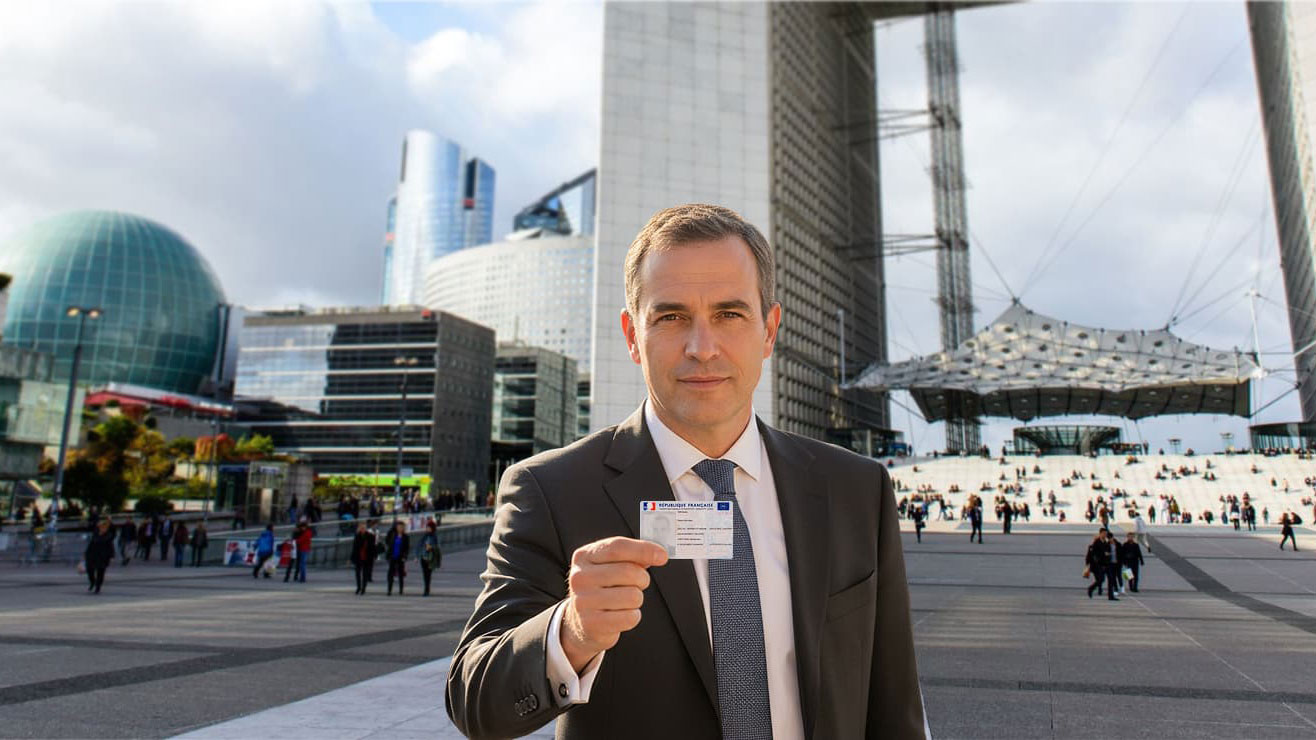 Residency in France through business
- Simple company registration process
- Residency for spouse and children under 18
- No language test required
Serbia – Residence permit through company registration
Serbia is an attractive destination for entrepreneurs. It allows you to obtain a residence permit without a long-term visa and to pay a 15% tax rate. You can also conduct business with the EU thanks to Serbia’s shared borders. In recent years, many entrepreneurs have moved here, registering over 10,000 companies.
The applicant requirements are minimal—simply register a business, and immediately apply for residency. There are no investment or profit requirements. You can submit your application within the country if you arrived on a visa-free or tourist visa.
Family members can also immigrate under the family reunification program.
The visa is valid for up to 3 years and can be extended. After 3 years, you can apply for permanent residence, followed by Serbian citizenship.
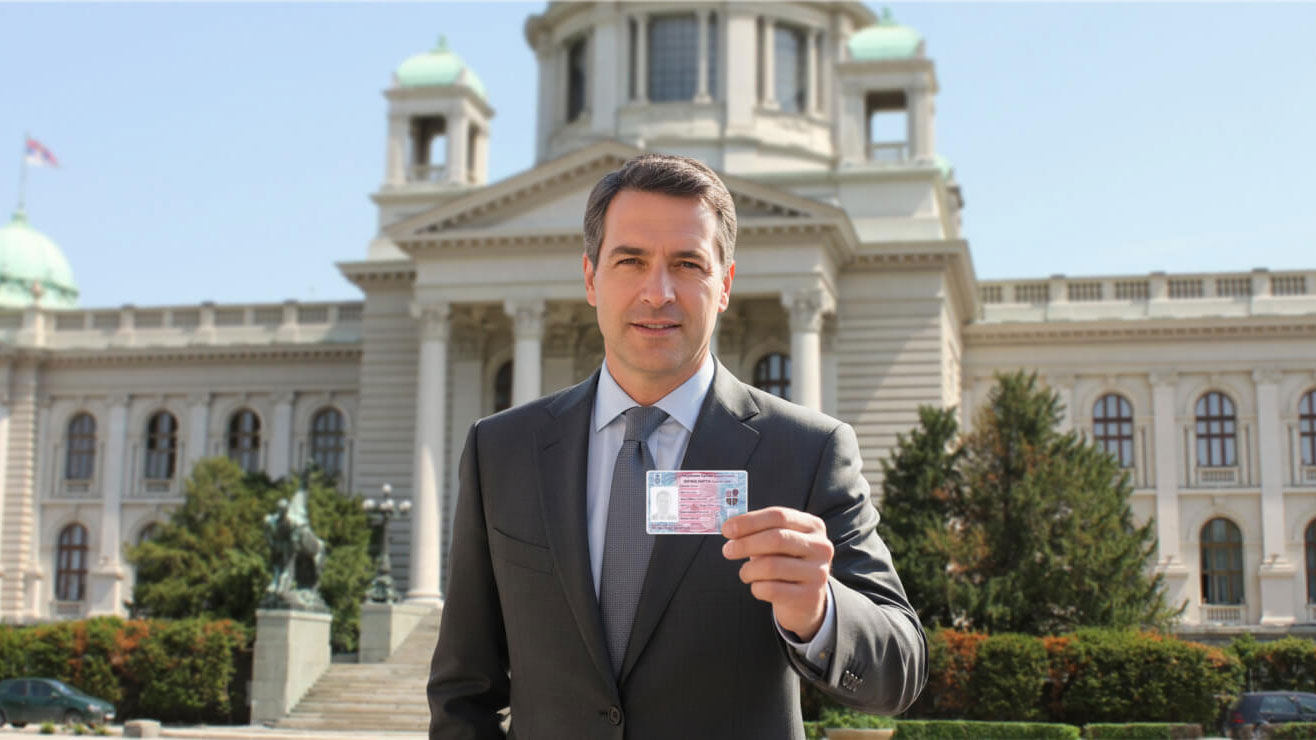 Serbia residence permit through business
- Residency for family members
- Simple business registration
- No need to live in the country
Montenegro – Residence permit through business
Registering a company in Montenegro simplifies the process of obtaining a work residence permit (a separate business permit is not required). Businessmen frequent this country thanks to its flexible tax system (a corporate tax rate of 9-15%, depending on income) and strong government support. Montenegro is particularly ideal for launching cryptocurrency companies.
The applicant requirements include working as a director in your own company and owning at least 51% of the shares. You will be issued both a work and residence permit.
Family members can also settle in Montenegro through the family reunification process.
The permit is valid for 1 year and can be extended. After 5 years, you can apply for permanent residence and after 10 years, citizenship.
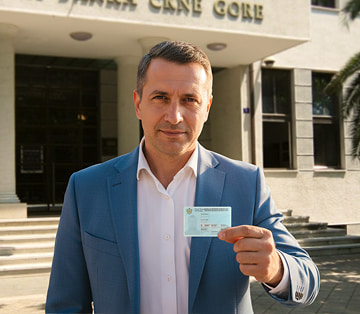 Residency in Montenegro through business
- Fast and easy registration process
- No need to live in the country
- Residency for family members
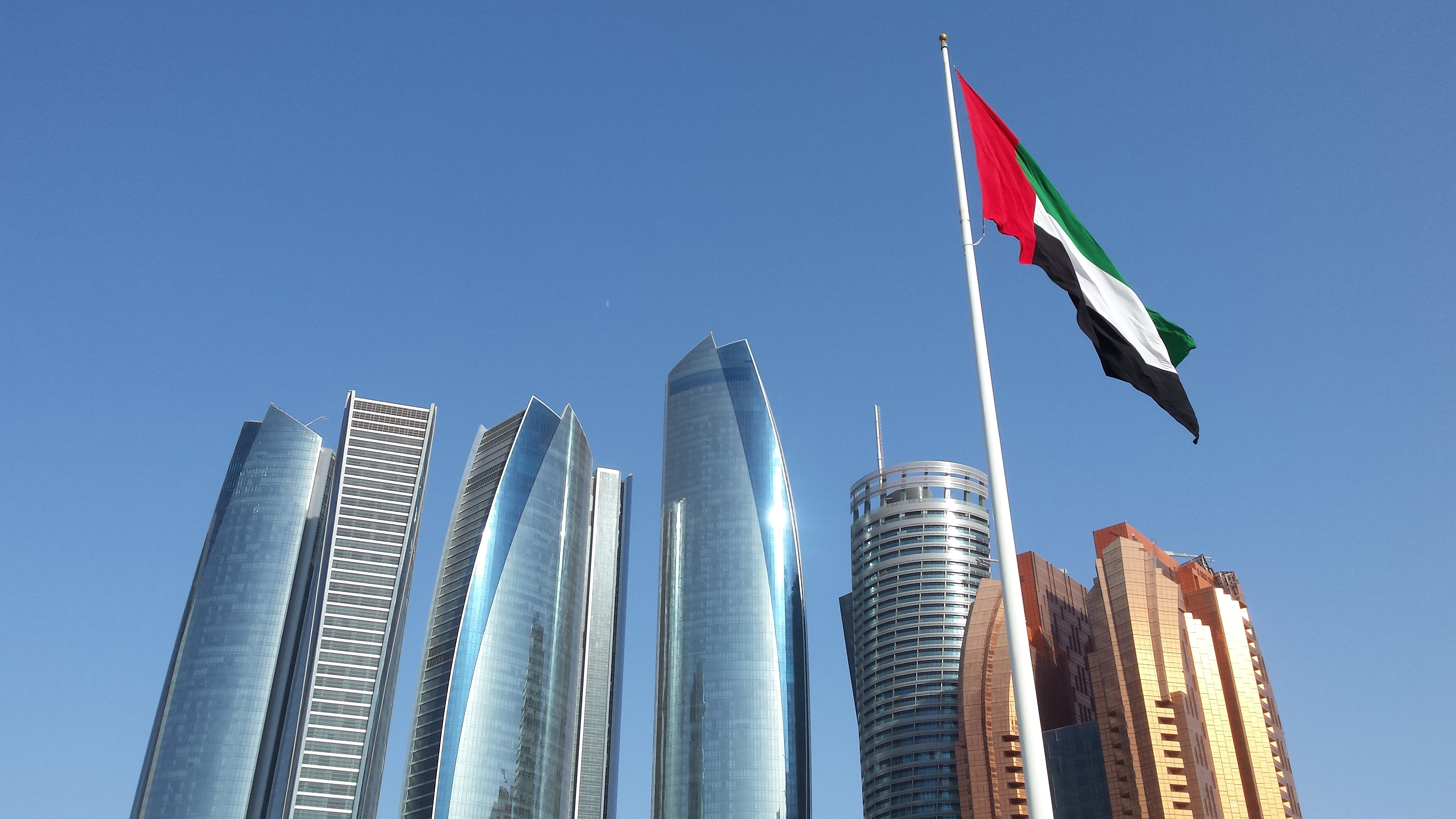
The UAE – Residence visa through business startup
You can obtain residency in the UAE through any type of business, including a company in the mainland or a Free Trade Zone (FTZ), an LLC, a sole proprietorship, a startup, or regular entrepreneurial activity.
Doing business in the UAE is profitable because a 9% corporate tax is applied to income over USD 102,110. In FTZs, this tax is usually waived entirely. The UAE offers good infrastructure for businesses of all kinds, from e-commerce to gold jewelry manufacturing. Furthermore, company registration can be done remotely, but it is important to enlist the support of experienced lawyers to avoid errors in applications and files.
The applicant requirements include preparing a business plan, obtaining government approval and licenses, and registering the company. The minimum investment for a residence visa is USD 272,294, and multiple businesses can be launched with combined investments.
Family members can also relocate and apply for family reunification after you receive residency.
The Green Visa is valid for 5 years. It is renewable. Typically, UAE citizenship is only available after 30 years, but the authorities may issue a passport to investors on an exceptional basis.
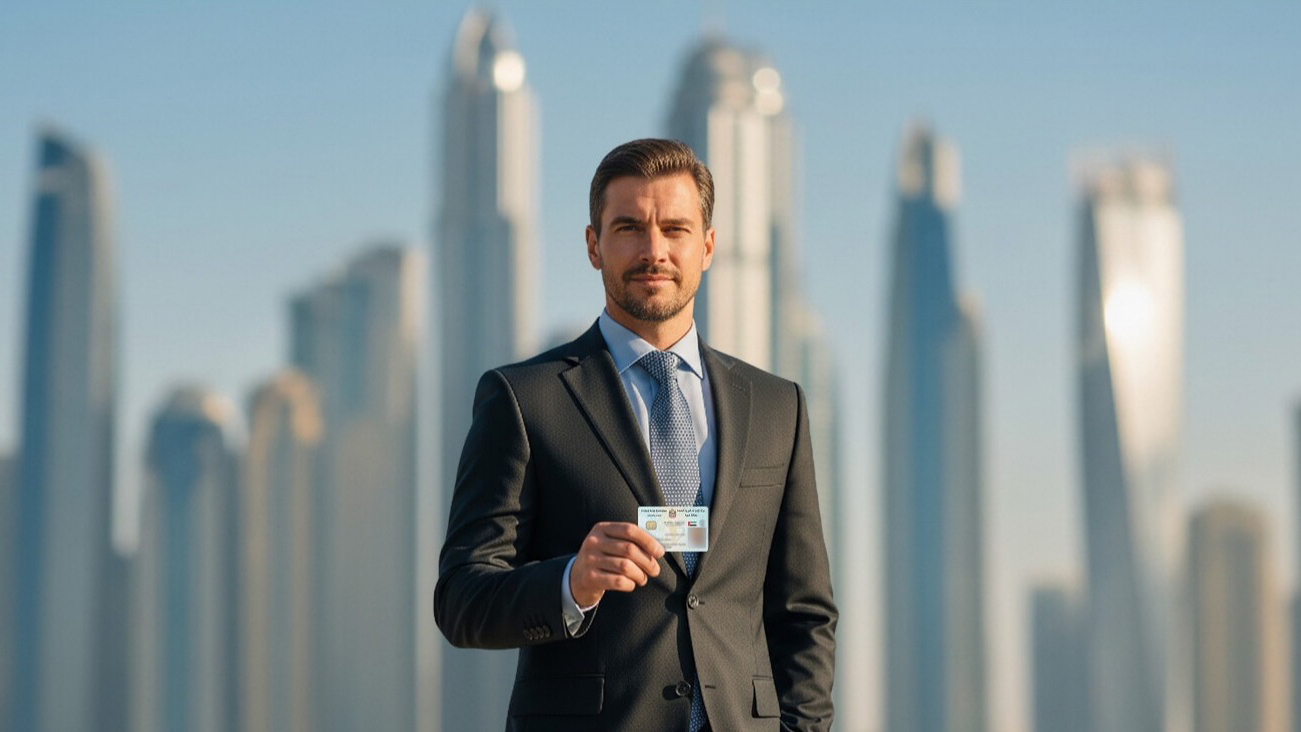 Emirates ID through business registration in the UAE
- 2-year residence permit with renewal option
- Residency for family members
- Fast processing
Bahrain – business residency
By registering your own company in Bahrain or investing in an existing one, you are eligible for an investor visa. Entrepreneurs benefit from moving here because there is no traditional corporate tax. Oil companies are the only ones that pay this tax, at a rate of 46%. Large corporations with consolidated revenue exceeding EUR 750 million over the last two years pay DMTT at a rate of 15%. The local population has high purchasing power, and registering in Bahrain gives you access to the entire Persian Gulf market.
Applications require a minimum investment of USD 265,235 in a local business. Your monthly income must be at least USD 1,326.
The permit is valid for 2, 5, or 10 years. You choose the period for which the permit is issued; that will determine the fee. The permit is renewable. You can obtain citizenship by naturalization after 25 years of residence.
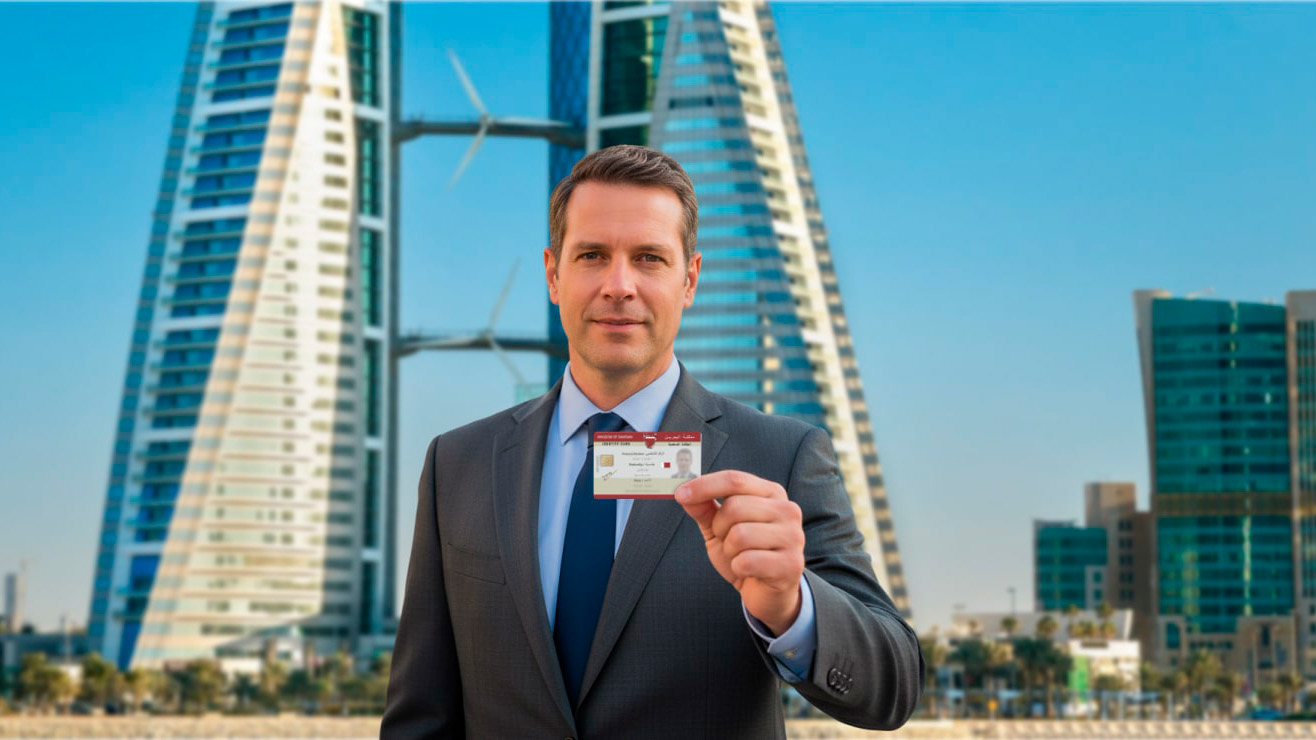 Bahrain residency through business setup
- Fast and simple registration process
- Residence status for family members
- 0% corporate tax
Which country offers the easiest way to obtain a residence permit through real estate purchase?
Purchasing real estate is one of the most popular options. It provides permanent housing and is a promising investment. Also, the requirements for obtaining a residence permit are minimal: you don’t need to prove your education or look for a job. However, if necessary, you can usually apply for a work or business permit.
Greece
Real estate investors in Greece can obtain a residence permit for up to 5 years. The program is often chosen by those who want to live in a warm, Mediterranean country and profit from their investment by renting out the property. The average price per square meter for an apartment is EUR 2,558. Gross rental yields are approximately 5%, but can be higher depending on the property type.
Applications require the purchase of real estate valued at least EUR 250,000, depending on the property type and region. For example, if you’re buying an apartment in a popular tourist area like Attica, the price must be at least EUR 800,000, and the property must be at least 120 m². In other populated areas, the minimum investment is EUR 400,000. You can also purchase real estate intended for conversion to residential use or a listed building intended for restoration; in these cases, the minimum investment is EUR 250,000.
You can invest through an EU-registered company if you are its sole owner. The property can be registered in the names of spouses, in which case the minimum investment threshold remains the same.
Family members can obtain a residence permit along with you, including not only your spouse and children, but also your parents.
The permit is valid for 5 years and can be renewed for the same period. However, if you purchased a building for restoration, an extension is only possible once all restoration work is complete. To obtain citizenship, you must live in the country for at least 7 years.
 Greece residency by investment
- Purchase of high-liquidity real estate
- No language requirement
- Fast processing time
Turkey
Turkey offers two types of residence permits for real estate. Apartment prices in Turkey are relatively low at an average of USD 1,500 per square meter. Housing costs are rising rapidly, allowing for profits from resale. However, residence permit rejections have become more common in recent years, so it’s best to work with lawyers for successful immigration, as evidenced by the experiences of those who have moved and shared their reviews on forums and chat groups.
Applicants’ requirements for residence permits depend on the category:
- 2-year. You must invest at least USD 200,000. This property must be for your own residence;
- 5-year. The minimum investment is USD 400,000. There are no restrictions on the type of property, but you must commit to not selling it for 3 years. This investment allows you to apply for citizenship immediately after receiving your residence permit. To do so, indicate the purpose of the purchase on the title deed.
Family members have the right to immigrate with you when applying for a 2-year residence permit if they own a share in the property. Otherwise, they can immigrate through family reunification. When applying for a 5-year residence permit, relatives can be included in the application regardless of property ownership.
Permanent residency in Turkey is granted after 8 years of residence. If you did not receive citizenship through investment immediately, you can apply for naturalization status after 5 years.
 Turkey residency through investment
- 1-year residence permit with the option to extend
- Citizenship after 5 years of residence
- Residency for all family members
The UAE
Foreigners can purchase property easily in the UAE and receive multi-year residence permits. However, there are restrictions: housing is only available for purchase in certain areas of different cities. You won’t receive full ownership either; it’s often limited to 50 or 100 years. Real estate here is quite expensive, averaging USD 5,028 per square meter.
The requirements for real estate if you are applying for a residence permit:
- its value must be equal to or greater than approximately USD 544,588;
- it can be one property or several;
- purchasing with a mortgage is allowed;
- the property must be entirely in your name, or your share must exceed USD 544,588 USD.
Family members can visit you in the UAE after reunification. In this case, children can be of any age. You can also sponsor an unlimited number of domestic workers (e.g., a nanny or a personal chef).
The permit is valid for 10 years, as real estate investors are granted the Golden Visa. You can renew it as long as you still own the property.
 UAE residency by investment
- Residency for family members
- Purchase of high-liquidity real estate
- No language requirement

What is the easiest way to get a residence permit without investing?
The simplest options accessible to many are residency based on financial independence and remote work. In both cases, your income must come from abroad. The minimum amount required depends on the chosen country.
France — Visa Visiteur
This temporary residence permit category is for people with passive income who do not plan to work in France. Passive income includes money from renting out housing, interest on a deposit or shares, and retirement income. You may also be supported by family members.
Application requirements for a Visa Visiteur include:
- Proof of at least EUR 1,426.30 per month for the entire period of the residence permit’s validity.
- A medical examination certificate issued by the French Office of Immigration and Integration (OFII).
- A statement that you will not work in France.
- Health insurance for at least 1 year.
The «Visitor Visa» is the most accessible category of French residence permit as it has the fewest requirements. It is often applied for by retirees and families with children.
The validity period is 1 year. You can renew it an unlimited number of times, and after 5 years, apply for a French passport.
 Residency in France for financially independent persons (FIP)
- Fast-track application process
- No language requirement
- Pathway to permanent residency
Spain — Non-Lucrative
A Non-Lucrative residence permit allows you to live in Spain as a financially independent person, though it does not allow you to work. In other words, foreigners will not be able to seek employment here but must have savings or income from abroad. You can receive dividends from a Spanish company, as long as you are not employed by it.
The main requirement for applicants is to have monthly income or savings of at least EUR 2,400. You must prove that you have funds to cover the entire year of residence in Spain or that you will receive regular payments throughout this period.
Family members can move to Spain with you. However, in this case, you will need an additional EUR 600 per month for each dependent.
The validity period is 1 year. You can extend it for 2 years at a time; to do so, you must spend at least 183 days per year in Spain.
 Residency in Spain for financially independent persons (FIP)
- No language requirement
- 1-year residency with option to extend
- Pathway to Spanish citizenship
Argentina — Residencia Rentista
The Residencia Rentista visa allows financially independent individuals to obtain a residence permit in Argentina. This option is ideal for those who want to live in a warm Latin American country, start their own business, or give birth there (the newborn will automatically receive Argentine citizenship by right of soil). The cost of living here is low; one person needs about USD 717 per month, and you can rent an apartment for USD 350.
Application requirements include having passive income of at least USD 1,108 per month. This money must come from passive sources, such as rental income, investments, or pensions. When applying for residency, you will need to confirm that you are legally transferring funds.
Family members can move to Argentina through the family reunification process or independently apply for a similar type of residency.
The validity period is 1 year. It can be renewed an unlimited number of times. You can apply for permanent residence status after 3 years, but if your child was born in Argentina and acquired citizenship, you can apply immediately. To obtain an Argentine passport by naturalization, you only need to live in the country for 2 years.
Spain — Digital Nomad Visa
Digital Nomads are specialists who work remotely and travel around the world. Spain offers remote workers and freelancers the opportunity to settle in the country and obtain a multi-year residence permit. However, you cannot work for a Spanish employer; your employer/clients must be located abroad. There is an exception for freelancers, who can take up to 20% of their projects in Spain.
Requirements for applicants:
- Employed by a foreign company or working with foreign clients for at least 3 months.
- Documentary evidence that you can perform your duties remotely.
- Availability of education in the profession or work experience of at least 3 years.
- Your salary must equal or exceed EUR 2,368 per month.
Family members can move to Spain with you immediately if you can provide for them. You need to have at least EUR 888 per month for the second family member and at least EUR 296 for each additional family member.
The validity period is 3 years, renewable for 2 years at a time. Digital nomads can obtain permanent residence after 5 years of residence in Spain and citizenship after 10.
 Residence permit in Spain for digital nomads
- EU resident status for family members
- Simplified application process
- Requires only basic documents
The UAE — Remote Work Visa
The United Arab Emirates also offers a digital nomad visa. Both remote employees of foreign companies and entrepreneurs can apply for it. The UAE has recently become very popular among remote workers because it offers modern and comfortable housing, excellent internet, and convenient coworking spaces. The country is safe and has quality healthcare and a large community of English-speaking expats. There is also no income tax.
Requirements for applicants include proof of remote employment, such as a certificate of employment. Your monthly salary must exceed USD 3,500. You must have worked for the firm or owned your company for at least 1 year at the time of application.
Family members can immigrate to the UAE as well and will be able to apply for a residence permit as soon as you are approved.
The validity period is 1 year. There is no renewal procedure, but you can reapply an unlimited number of times.
 Residency in the UAE for digital nomads
- One-year residence permit with renewal option
- No personal income tax
- No language requirement
Which countries have the most lenient residence permit requirements?
We have prepared a comparison table of the most popular residency options to help you choose the country that is the best fit for you:
| Country | Residence permit type | Terms for obtaining | Validity period, in years | Years required to obtain permanent residency and citizenship |
|---|---|---|---|---|
| Spain | Startup Visa | Register or invest in a startup | 3 | Permanent residence — 5 Citizenship —10 |
| Non-Lucrative | Passive income of at least EUR 2,400 per month | 1 | Permanent residence — 5 Citizenship —10 |
|
| Digital Nomad | Salary from EUR 2,368 per month | 3 | Permanent residence — 5 Citizenship —10 |
|
| France | French Tech | Establish a business, have an annual income of at least EUR 21,621.60 | 4 | Permanent residence — 5 Citizenship — 5 |
| Company formation | Investment in a company starting from EUR 30,000 | 4 | Permanent residence — 5 Citizenship — 5 |
|
| Visa Visiteur | Passive income of at least EUR 1,426.30 per month | 1 | Permanent residence — 5 Citizenship — 5 |
|
| The UAE | Green Visa | Business investment starting from USD 272,294 | 5 | Citizenship — 30 |
| Golden Visa | Real estate purchase starting from USD 544,588 | 10 | Citizenship — 30 | |
| Remote Work Visa | Salary of at least USD 3,500 per month | 1 | Citizenship — 30 | |
| Bahrain | Business Visa | Investment in a company starting from USD 265,235; salary from USD 1,326 per month | 2, 5 or 10 | Citizenship — 25 |
| Turkey | Through real estate | Investment starting from USD 200,000 | Up to 2–5 | Permanent residence — 8 Citizenship — 5 |
| Argentina | Residencia Rentista | Passive income of at least USD 1,108 per month | 1 | Permanent residence — 3 Citizenship — 2 |
| Chile | Extranjeros jubilados y rentistas | Passive income of at least USD 551 per month | Up to 2 | Permanent citizenship — 1–2 Citizenship — 5 |
| Greece | Through real estate | Investment starting from EUR 250,000 | 5 | Citizenship — 7 |
| Serbia | Through business | Company registration | Up to 3 | Permanent residence— 3 Citizenship — 3 |
| Montenegro | Through business | Company registration and employment within the company | 1 | Permanent residence — 5 Citizenship — 10 |
| Portugal | Rentier | Pension or passive income of at least EUR 870 per month | Up to 2 | Permanent residence — 5 Citizenship — 5 |
| Italy | Elective Residence | Passive annual income of at least EUR 31,000 | 1 | Permanent residence — 5 Citizenship — 10 |
| Indonesia | Second Home | Investment starting from USD 1 million | 5 | Citizenship — 5–10 |
How to choose a country for a residence permit based on your goals
In order to quickly and easily obtain a residence permit, you need to choose a country that aligns with your personal goals. It is also important to take your current circumstances into account, such as your type of employment, income, and savings.
Tips for choosing a residence permit depending on your personal situation:
- If you work remotely or as a freelancer. You may be eligible for a digital nomad visa. The easiest ones to obtain are in Spain and the UAE;
- If you want to open a business. It is most profitable to immigrate through a startup because the process is usually faster. Even if you don’t want to start an innovative company, you can invest in one and apply for a residence permit as a co-founder. France and the UAE are the best choices.
- If visa-free travel within the Schengen area is important to you. It is worth immigrating to one of the member states; currently, it is easiest to move to Spain and France.
- If you want to invest. Real estate is an optimal investment, especially for those who have never been involved in business. Currently, Turkey offers the most profitable immigration program.
- If you need a new citizenship as soon as possible. If you are ready to invest, you can obtain Turkish citizenship within a year. The fastest naturalization processes are in Serbia, Chile, and Argentina.
- If you want a relaxing retirement. A residence permit for financially independent persons might be a good option for you. The most popular programs are in Spain and France.
In order to choose the best country for immigration that will meet all your goals, consider consulting international law experts. They have extensive experience working with all the programs mentioned and know all the details and hidden advantages. Additionally, having legal support always saves time and stress, since they will also help prepare documents and register all permits. Leave your phone number to receive a free consultation.
Questions and answers
Ask a questionWhich European country has the fastest residence permit process?
One of the fastest options is the digital nomad residence permit in Spain, which takes only 20 working days to process. You can also apply for a Nomad Visa in Hungary in approximately the same amount of time, but it is only valid for up to 2 years. In Serbia, you can apply for residency during your stay, so you won’t have to wait long to move.
Which Asian country has the easiest residence permit process?
The simplest programs for obtaining a residence permit in Asia are offered by Turkey and the United Arab Emirates. The easiest way to move to Turkey is to purchase real estate: you must invest at least USD 200,000. In the UAE, there are two options for easy immigration: working remotely with a salary starting from USD 3,500 per month or doing business with investments starting from USD 272,294. It is also relatively easy to settle in Cambodia. For an investment of USD 100,000, you will receive a 10-year residence permit and the right to obtain a passport after 5 years of residence. However, applications are not accepted from everyone.
Which country offers the best residence permit program for remote workers?
Remote workers are best suited for the digital nomad visa. This immigration option applies to Spain, the UAE, Hungary, and Croatia in 2026. In Spain, you can obtain resident status immediately for 3 years. In the UAE, the permit is only valid for 1 year, but it can be requested again, and the application process takes about 2 days. In Hungary, a residence permit is issued for 1 year and can be renewed once for the same period. In Croatia, it is valid for up to 1.5 years, but to extend it, you must leave the country for 6 months.
Which country is the easiest place to obtain a residence permit for families with children?
Immigration for families with children is available in all countries. Spain allows startup founders, digital nomads, and freelancers to include family members in their applications immediately. France has a simplified immigration procedure for relatives in many cases. In ordinary cases, spouses and children can move upon reunification.
Which country offers the cheapest residence permits?
Spain and the UAE are the cheapest places to obtain a residence permit as they offer visas for digital nomads. Kazakhstan offers relocation options for digital nomads, even without salary requirements; however, this opportunity is only available to professionals in a limited number of fields. Minimum costs are also required to obtain residency through financial independence in France, Spain, and Argentina. These costs only include document preparation, government fee payment, and legal assistance.
Which country is the easiest to obtain permanent residence and citizenship after a residence permit?
The quickest way to obtain permanent residence is in Chile. You only need to live there for 1-2 years, and after 5 years, you can apply for citizenship. In Serbia, you can request permanent residence after 3 years and immediately apply for a passport. In Argentina, you can apply for citizenship within 2 years of immigrating and permanent residence after 3. In Turkey, investors can apply for a passport as soon as they obtain a 5-year residence permit.





News, tips, and exclusive insights — all on our channels. Pick the platform you prefer:


Fill out the form to schedule a meeting in the office or online

 +971 58 94 43 591