
 +34 68 911 88 69
 +382 69 704 986

Where to move with children? A lawyer’s tip on choosing a country for family life
Where to move with children to ensure them a safe future, quality education, and a comfortable life — an overview of countries and legal nuances from a practicing lawyer.
Are you planning to move to another country with your whole family?
Get a personalized consultation and a free selection of an immigration solution from a MIRSATORI specialist.
Leave a request and get a consultation from an expert

Factors to consider when preparing for the move as a family with children
Planning a move together with children requires a special approach. First and foremost, here’s some personal advice based on client cases: Don’t choose your future home based on photos and videos on social media. Instead, focus on specific criteria that ensure your family’s long-term stability.
Quality of education
If you’re considering moving with kids, the quality of education is one of the most important criteria. When choosing a country, pay attention not only to international university rankings, but also to the accessibility of primary and secondary education for foreigners. In some countries, such as the United States and France, children are accepted into public schools even if their parents don’t have a residence permit. However, in other countries, residency is a requirement.
Keep in mind that public schools teach in the local language, so your child may feel the need to adapt. International private schools may be a good fit in this situation.
Healthcare
Healthcare and insurance are other important factors. Children often get sick, so parents need to research health insurance policies, service quality, and clinic availability in advance. Emergency care is available to everyone, but routine and preventive care is usually only available to residents with public or private insurance.
Find out the cost of family insurance in advance, as well as whether healthcare is free for children. In most countries, children are included in their parents’ insurance policy at no additional cost. Also, find out which vaccinations are required for kindergarten or school attendance.
Safety and attitudes toward immigrants
A safe environment with low crime rates is a top priority for any family. It is important to consider not only national indicators but also the specifics of individual cities and neighborhoods, as low rent in a major city may reflect a less desirable area with higher crime rates. Including safety checks in your moving checklist can help you make informed decisions and choose the right location for your family.
Also consider the level of social acceptance. How friendly is the local community toward immigrants? Are there integration programs for foreign children in schools?
Cost of living and social support
Family financial planning should include more than just rent, utilities, and groceries. It should also include expenses for daycare, extracurricular activities, leisure activities, and clothing. Family budgets vary widely across countries. In some countries, the government subsidizes certain expenses, such as free school lunches and benefits for large families. In other countries, however, you must pay for everything in full. Always plan a budget with a buffer for the first 3–6 months.
Ecology and climate
The environment plays a significant role in a child’s health, particularly if they have allergies. Northern European countries are renowned for their exceptionally clean air, while southern Europe offers a mild climate rich in vitamin D. Consider how your child will cope with the extreme heat of the Middle East or the high humidity of tropical countries.
Legal aspects of immigration
As a lawyer, I emphasize that legal status is key to accessing social benefits. Without a residence permit, you may be unable to enroll your child in school, rent long-term housing, or receive comprehensive healthcare and banking services. Furthermore, families without residence permits face a high risk of deportation.
There are many ways to become a legal resident abroad, including employment, business ownership, investment, and moving as a financially independent individual. A common scenario is when a man finds a job, obtains a residence permit, and then invites his relatives for family reunification. However, there are some exceptions: for instance, in Cyprus, an individual can only initiate the relocation of relatives after living there for at least 2 years. In some countries, you can obtain a residence permit or even citizenship through investment. This is one of the fastest immigration routes for wealthy families.
Each program has its own requirements, including a minimum investment threshold, eligible applicants, a timeframe for obtaining status, and language requirements. At this stage, it’s worth consulting with lawyers to choose the best option based on your situation.
Overview of the best countries and destinations for relocating with children
When choosing a country to live in with children, it’s important to balance personal comfort with immigration opportunities, such as obtaining a residence permit, permanent residence, or citizenship. Among the countries offering the most stable and transparent conditions for foreign families in 2026 are Spain, the UAE, France, Chile, and Argentina. Each country has its own pros and cons for relocation, which we will discuss in detail below.
Spain
Spain ranks 16th in the world and 12th in Europe for quality of life. It ranks 5th among European countries for healthcare quality and 4th for climate. The local environment minimizes the risk of seasonal illnesses, and Spain ranks 6th in the world for overall child well-being. The country offers over 300 international schools across 28 cities. Combined with high-quality farm produce, a relatively affordable cost of living, and a well-structured moving process, it provides an ideal environment for raising a child.
Spain’s main characteristic is its exceptional focus on family. Children are active and welcome participants in public life. In Spanish culture, it is normal to bring a child to a restaurant or on an evening walk, and no one will scold you if your child is noisy or playing in a café.
Immigration. Regarding the legal aspects of relocation, Spain does not have an investment program; it was abolished in April 2025. However, other options allow the entire family to move to Spain. You can immigrate as a startup entrepreneur, a digital nomad (i.e., someone who works remotely), or a financially independent individual. In each case, the main applicant can include their spouse and children in their application. The eldest child can apply for a student visa.
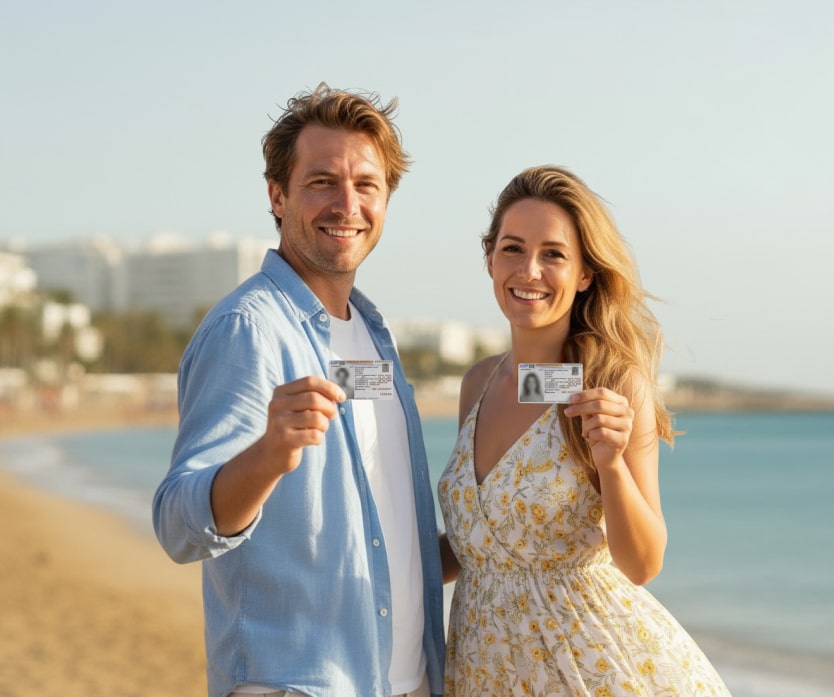 Residency in Spain for financially independent persons (FIP)
- No language requirement
- 1-year residency with option to extend
- Pathway to Spanish citizenship
France
France has traditionally been one of the most desirable countries for family life. It attracts foreigners with its prestigious education system, robust social support, high-quality health insurance, and well-developed public transportation. France ranks 6th in Europe and 7th in the world for healthcare and child well-being, respectively.
The French approach to childhood emphasizes cultural development. Its vast number of museums, specialized media libraries, parks, and creative arts centers allow children to receive a well-rounded education from an early age. Safety in provincial towns and in prestigious areas of major cities remains very high, allowing children to enjoy a free and active childhood.
Immigration. Similar to Spain, France does not offer residence permits for investment; however, there are several other options for family immigration:
- The Talent category residence permit is the most convenient option for entrepreneurs and startups. A residence permit can be obtained for the entire family at once for 4 years.
- A visitor visa (Visiteur) is suitable for families with passive income who plan to live in France without working for local companies.
- Work and study visas are traditional routes through employment or university admission.
Be prepared for the fact that the immigration process to France is more bureaucratic than in other southern European countries. Due to the complexity of the paperwork and strict prefecture requirements, it is advisable to seek legal support throughout the process.
 Residency in France through startup participation
- 4-year residence permit
- Travel across EU countries without visas
- Citizenship after 5 years
UAE
According to Numbeo, the UAE is the safest place on the planet to live, which is especially important when moving abroad with children. The crime rate is nearly zero, and the government strictly controls public order. Modern metropolises like Dubai and Abu Dhabi offer families the infrastructure of tomorrow, including high-tech, world-class clinics and a vast number of educational centers.
A significant advantage of the UAE is its access to international education. Most private schools follow British or American curricula, with instruction in English. Children immersed in this environment from kindergarten onward become fluent in a foreign language by graduation, opening doors to the world’s top universities. At the same time, it is important to encourage your child as they adapt to new surroundings and help your child find confidence in a different educational system. However, it’s important to remember that healthcare and education in the UAE are not free for foreigners. Therefore, having quality insurance and a well-planned budget is essential.
Moving to the Emirates requires preparation for 2 things: the climate and the culture. The country experiences extreme heat in the summer, making outdoor activities nearly impossible—everything moves indoors. Furthermore, the UAE is a Muslim country with conservative behavioral and dress codes that must be respected. However, because of its diverse population, socialization comes quickly and easily.
Immigration. In terms of legislation, the Emirates are ideal for wealthy families because they offer residency visas through real estate investment. A local equivalent of a one-year residence permit is available for property purchases starting at USD 204,000. With an investment of USD 545,000, a 10-year Golden Visa for the entire family can be obtained. The Emirates also offers programs for remote workers and entrepreneurs.
It’s important to remember that the UAE rarely grants citizenship or permanent residency. Foreigners receive renewable residency permits tied to investment or employment. Nevertheless, for many, it’s still an excellent option for a «second home» in a stable jurisdiction.
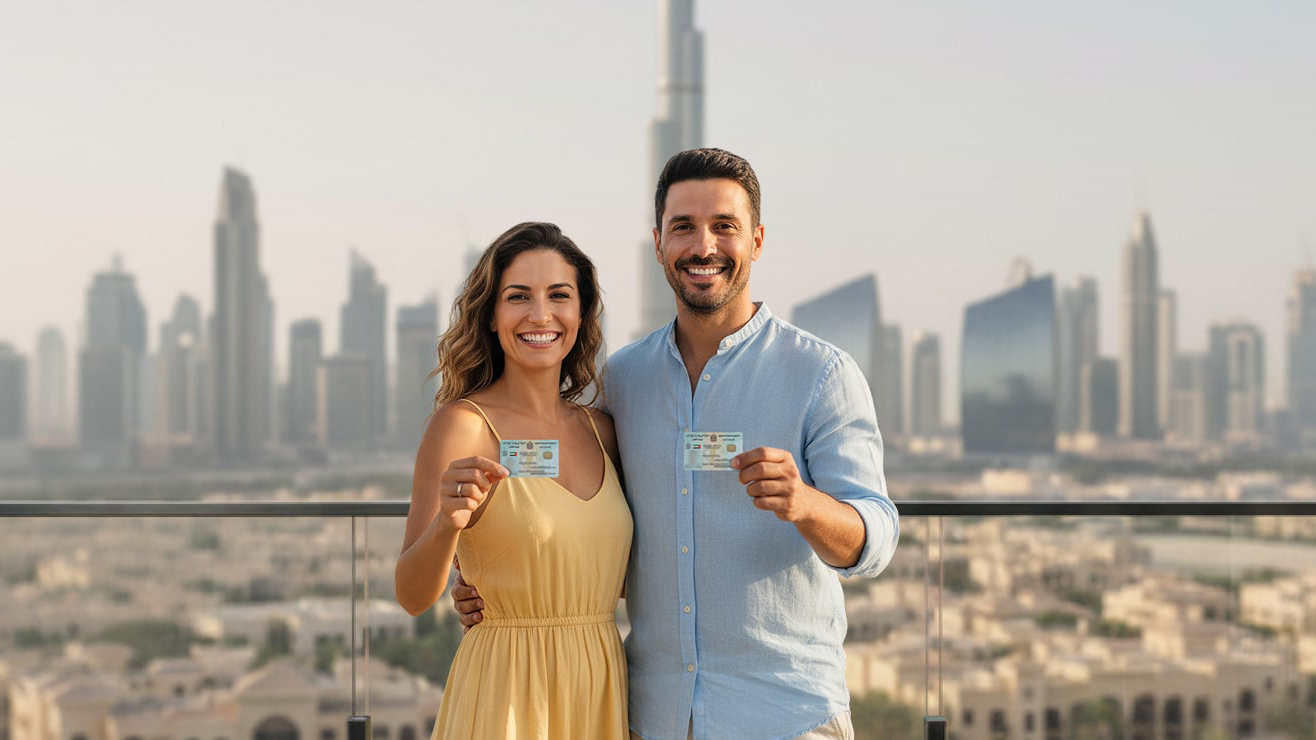 UAE residency by investment
- Residency for family members
- Purchase of high-liquidity real estate
- No language requirement

Mirsatori can assist you in obtaining a UAE residence permit. We can help you with business registration in the Emirates, real estate purchases, and managing your finances and obtaining visas for all family members.
Turkey
Turkey has become one of the most popular destinations for family relocation in recent years. Its mild Mediterranean climate and fresh produce make it an ideal place to raise a child. The Turkish healthcare system is ranked among the top 30 globally for quality of service. Residence permit holders can use state insurance, which covers treatment in modern clinics. Public schools are free, but due to the language barrier, many families choose private schools that offer instruction in English.
Turkish society is known for its incredibly warm attitude toward children. Family values are paramount here, and children receive a lot of attention in public. Despite cultural and religious differences, adaptation is easy thanks to a well-developed community of compatriots. A child will be able to find friends who speak their native language while learning Turkish or English.
Immigration. Legally, immigrating to Turkey with a child is possible by purchasing real estate. It is necessary to purchase a residence worth at least USD 200,000. A family can also obtain Turkish citizenship by investing at least USD 400,000. With legal support, the entire process takes approximately 6-8 months.
Turkey can be considered not only a final destination, but also an effective intermediate step. A Turkish passport makes it easier for families to relocate to EU countries or the US in the future, for example, through an E-2 business visa.
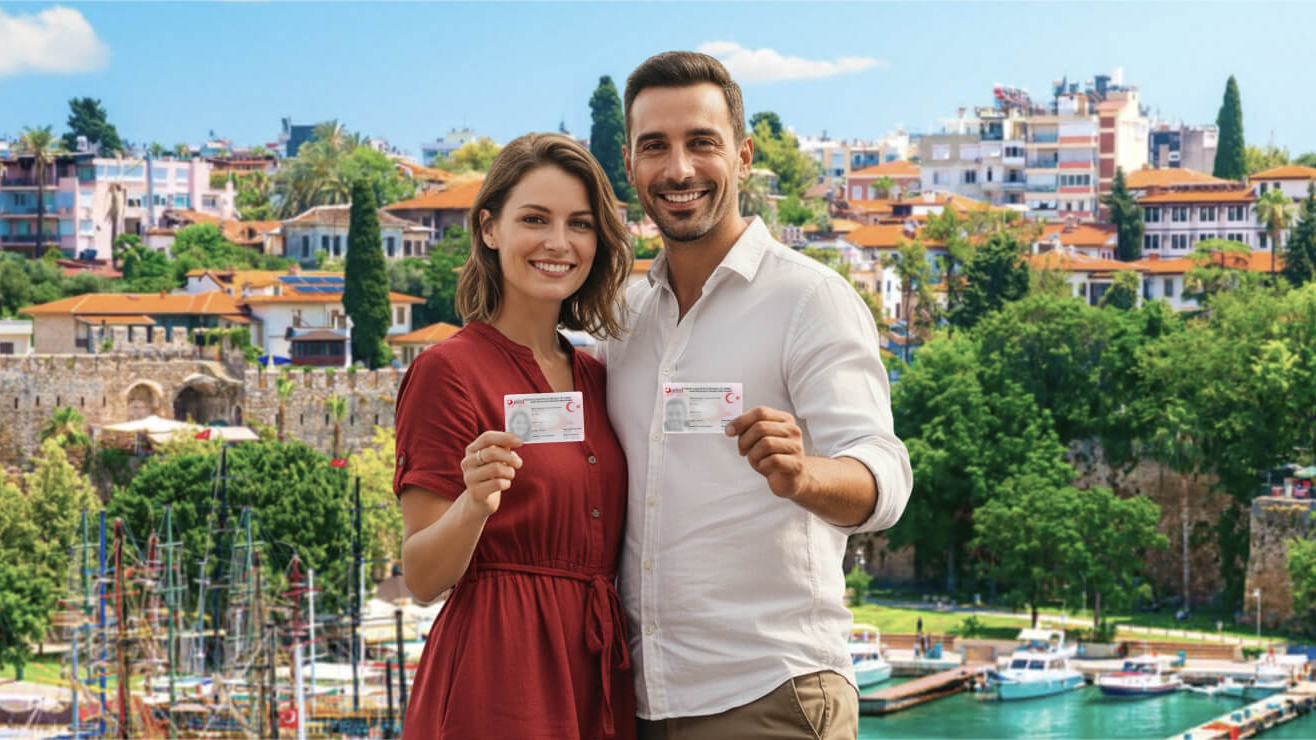 Turkey residency through investment
- 1-year residence permit with the option to extend
- Citizenship after 5 years of residence
- Residency for all family members

Argentina
Argentina is considered one of the most attractive destinations in Latin America for families looking to relocate. Immigrants built the country, so foreigners are treated with the utmost friendliness. You’ll feel at home much more quickly here than in conservative Europe. Argentina has diverse climates ranging from subtropical in the north to temperate in Buenos Aires. Spanish, the language spoken by Argentines, is considered one of the easiest languages to learn. However, be prepared for the relaxed pace of life.
Children in Argentina are entitled to free education, even if their parents don’t yet have a residence permit. Public schools and universities, including the prestigious University of Buenos Aires, are open to all, though many eventually transfer to private institutions for higher-level education. Healthcare is accessible to all, but most foreigners seek private clinics in larger cities because the standard of care is higher there.
Note that the street crime rate here is slightly higher than in the EU, so families must be extra vigilant when choosing a neighborhood.
Immigration. Despite the drawbacks, Argentina remains a leader in terms of ease of obtaining citizenship. After living in the country for just two years, immigrants can apply for citizenship, which is one of the shortest timeframes in the world. A child born in Argentina automatically becomes a citizen by right of birth, and their parents gain the right to expedited permanent residency.
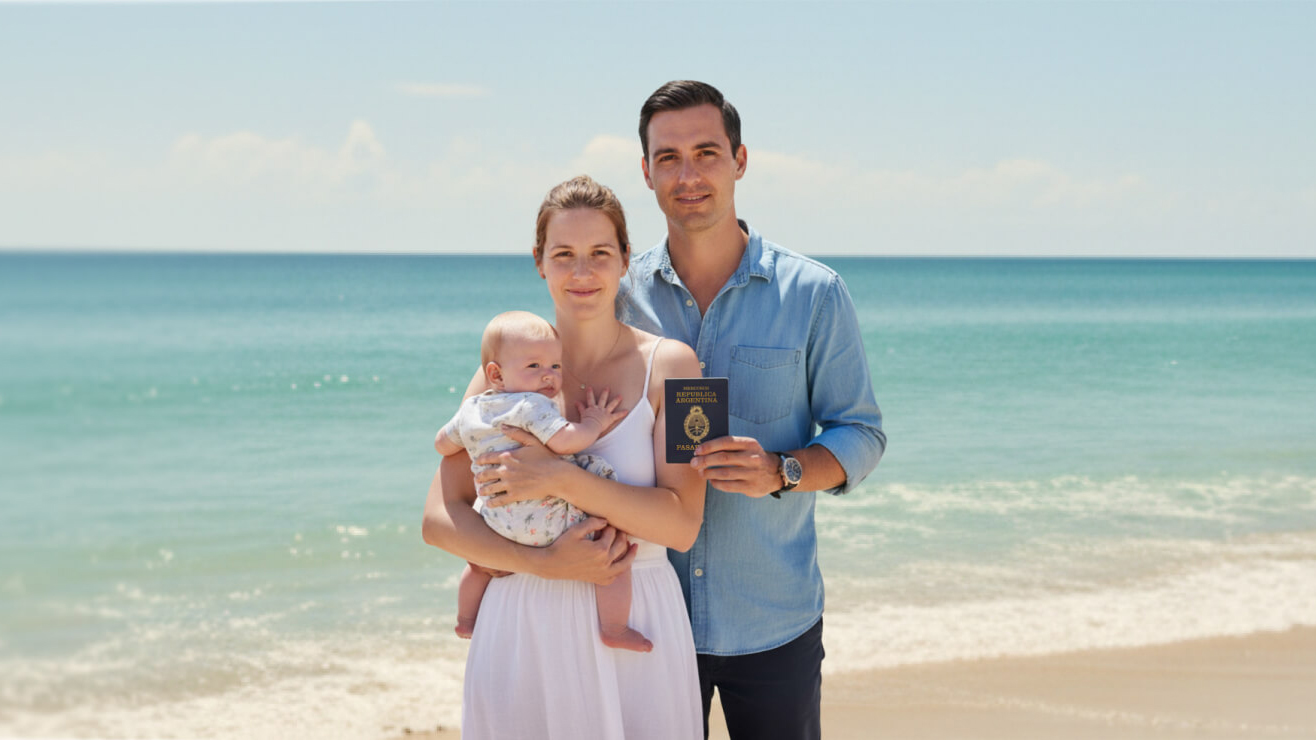 Childbirth in Argentina with citizenship for the baby and parents
- Child gets citizenship at birth
- No language test required
- Second citizenship for all family members
Chile and Brazil
Latin America is not limited to Argentina. Brazil, for example, is a country with a diverse yet warm climate, high-quality healthcare, affordable prices, and a friendly population. Public schools are free, even for foreigners. Large cities have a high level of safety.
Immigration. Many families travel to Brazil to give birth because this country grants citizenship to children born here. Parents of Brazilian children can obtain permanent residency and apply for expedited naturalization, which becomes available after just one year of permanent residence. Other options for relocating to Brazil include investing in your own or an existing business (starting at USD 95,000).
Chile is often called the «European» country of Latin America. It has a developed economy, low corruption, and the highest level of safety in the region. Santiago is a modern metropolis with excellent infrastructure, high-quality private schools, and universities that traditionally rank among the top in Latin America.
Immigration. Like Brazil, Chile recognizes jus soli, or the right of soil. This means that every child born in the country can become a Chilean citizen. Their parents are eligible for expedited permanent residency (1 year) and citizenship (just 2 years of residency instead of 5). Investors, rentiers, and employees can also move to Chile.
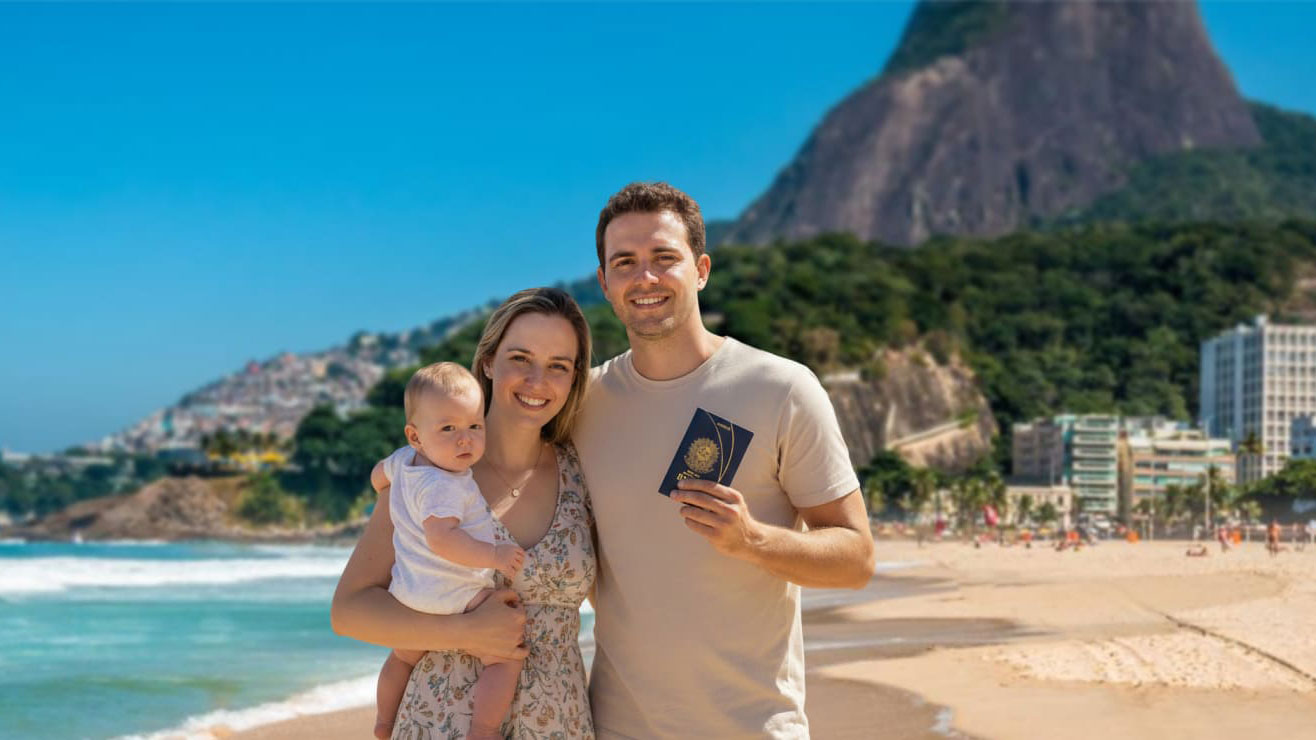 Childbirth in Brazil with citizenship granted to the newborn and parents
- Child gets citizenship at birth
- No property ownership required
- No language test required
If you’re considering Brazil or Chile as a place to live, Mirsatori lawyers can help you determine the best option for you and complete all the necessary paperwork.
Cyprus
For decades, Cyprus has remained a popular destination for families. The island boasts a mild climate, high safety levels, and an attractive tax system. Many businesspeople relocate here with their families. Public schools are free for residents, and the country also has a large number of international educational institutions, including British schools accredited by Cambridge and Oxford. Graduates receive internationally recognized diplomas and are accepted to the best universities in Europe and around the world. In terms of healthcare, Cyprus has a GESY insurance system that covers expenses including pediatric services. Private clinics also offer relatively low prices.
Immigration. The country offers investors the opportunity to obtain immediate permanent residency by investing at least EUR 300,000 in new residential or commercial properties, shares of Cypriot companies, or investment fund units. Spouses and dependent children under 25 can be included in the application. Permanent residency is permanent; it doesn’t need to be renewed every couple of years. A new plastic card is sufficient every 10 years. You can also immigrate to Cyprus as an entrepreneur, remote worker, rentier, or through regular employment.
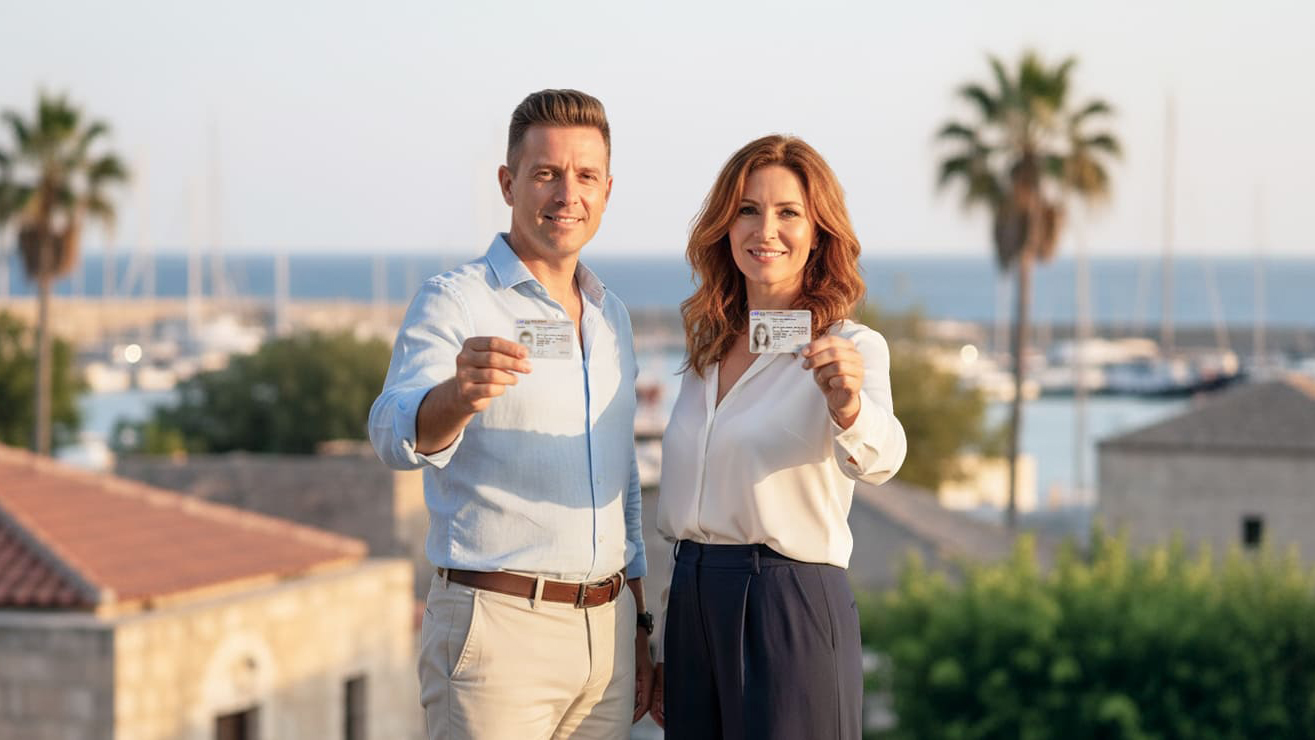 Permanent residency by investment in Cyprus
- Fast application process
- EU residence status
- Acquisition of high-value real estate

Practical advice to help your child adjust
Moving to a new city can be stressful for a child, especially when they have to adapt to a new school and make new friends. On moving day, surrounded by moving boxes and a moving truck, a child feels anxious or uncertain. A simple way to help your kid is to involve them in unpacking and setting up their new room. It can support their sense of comfort and control. Here are some tips for moving that can help kids adjust more smoothly:
- Discuss the move as an exciting opportunity. Read books and watch videos about the new country’s nature and traditions.
- Start learning basic phrases («Hello», «Thank you», «What’s your name?») through play. This will make your child more comfortable with their new environment;
- If possible, take a vacation to the chosen city. Visit parks, stroll past the future school, and try the local food. Familiar places will reduce anxiety upon arrival;
- Budget at least 20-30% more than expected. Expenses double in the first year due to deposits for housing, furniture, school uniforms, extra language classes, and administrative fees;
- Research the insurance system in advance. Collect a child’s «health card», which is a record of vaccinations, allergies, and chronic illnesses, and is written in English or the local language.
Make sure all family members have passports that are valid for at least two years. Obtain notarized consent from the other parent for travel if you are not traveling with the entire family. Get apostilles or consular legalization for birth and marriage certificates—without this, documents are often invalid abroad. Don’t forget to prepare certified translations of key documents in advance.
In conclusion
There’s no ideal time to move, but proper preparation helps. The more transparent the process is for a child, the sooner they’ll start calling the new place «home». Moving abroad with a family is a significant challenge that requires courage, patience, and a detailed approach. However, as demonstrated by thousands of successful cases, this journey is absolutely surmountable. A comfortable and safe life for your children in a new country rests on 3 key pillars: choosing the right destination, understanding the adaptation process, and properly preparing the necessary documents.
No detail in the immigration process is insignificant: any legal error can cost your family time and peace of mind. Our company’s specialists are ready to handle the most difficult part of the process: legalization and bureaucratic support. We will be your trusted partner, allowing you to focus on what matters most—supporting your loved ones and building a new home.
Start your path to success with confidence—contact us today for a free personalized consultation and assessment of your situation.


News, tips, and exclusive insights — all on our channels. Pick the platform you prefer:


Fill out the form to schedule a meeting in the office or online

 +971 58 94 43 591